
There’s no single perfect month to buy in Dubai, but the market does move in a fairly predictable rhythm, and knowing it can mean the difference between competing for a unit in December or negotiating comfortably in July. Broadly, winter brings the highest demand and the most competition, while summer and Ramadan bring quieter months, more room to negotiate, and stronger developer incentives.
At Sikanta Developments, we’re a boutique developer behind Sikanta Residences, a 64-home collection of studios and one- and two-bedroom apartments in the heart of Dubai South, led by Mohan Dass Saini. Timing questions come up constantly with our buyers, especially those weighing an off-plan Dubai South residence against a ready unit elsewhere, so here’s how the year actually breaks down.
Winter (October to April): The Busiest, Most Competitive Season
Cooler weather brings tourists, returning expats, and international investors combining a visit with a property search. Transaction volumes historically peak during these months, new project launches cluster here, and sellers have the upper hand since demand and competition are both high. If you want first pick of a new launch or the widest inventory to compare, winter gives you the most options, but expect less room to negotiate on price.

Summer (June to September): The Buyer's Window
When temperatures rise, many residents travel and international buyer visits slow down, and listings sit on the market longer as a result. This is consistently the season where sellers and developers get more flexible, with incentives like waived fees, extended payment plans, or straightforward price movement on ready units. Q3 in particular tends to record the lowest sales transaction volume of the year, according to Bayut’s market tracking, which is exactly why value-focused buyers target it. If you’re comparing a Dubai South residence against options elsewhere and want negotiating leverage, summer is generally your strongest window.
Ramadan and December Holidays: Quieter, Not Closed
Real estate doesn’t stop during Ramadan, but the pace does slow, and serious buyers who stay engaged often find developers pushing promotions to keep momentum going. The period right after Eid typically sees a sharp rebound in activity, so buyers watching for post-Eid developer offers can catch a good window before the market picks back up fully. December holidays follow a similar, milder pattern.
Quarter-by-Quarter Snapshot
Quarter | Market mood | Best for |
Q1 (Jan-Mar) | High activity, new launches | Early access to fresh off-plan projects |
Q2 (Apr-Jun) | Transitional, cooling begins | Comparing options with less pressure |
Q3 (Jul-Sep) | Lowest volume, most negotiable | Value-driven buys, flexible payment terms |
Q4 (Oct-Dec) | Peak season, high competition | Selection, but expect firmer pricing |
A Detail Worth Knowing: Off-Plan Timing Works Differently
If you’re buying off-plan, and many buyers considering a Dubai South residence are, the seasonal rulebook shifts slightly. Developers often maintain steady sales momentum through the quieter months specifically by offering more flexible payment plans and incentives during summer and Ramadan, since they’re less reliant on walk-in tourist traffic than resale agents are. That means an off-plan purchase in the quieter months can combine two advantages at once: less competition for units and better developer terms.
How Location Timing Interacts With Seasonal Timing
Dubai South is a useful example of how location can outweigh the calendar. Spanning 145 square kilometres and designed as a self-sustained city with residential, logistics, aviation, and exhibition districts, it’s an area where infrastructure milestones, like progress toward Al Maktoum International Airport’s full operations, matter more to long-term value than which quarter you buy in. With Dubai South projected to reach a population of one million residents, timing your entry around the area’s own growth trajectory can matter as much as timing it around the citywide seasonal cycle.
What This Means for Your Purchase Timeline
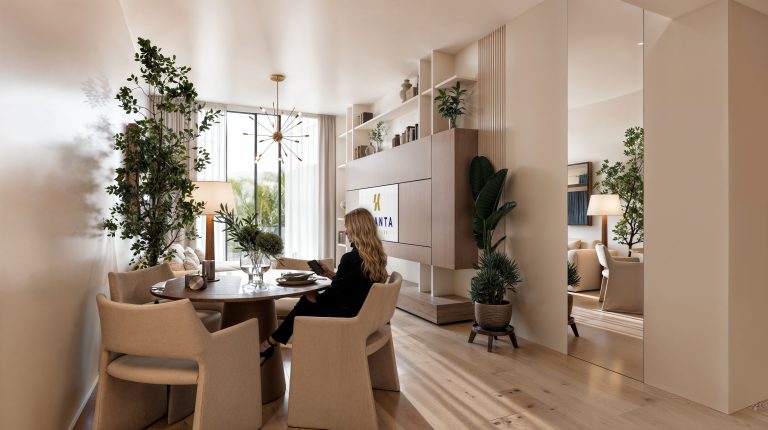
Why This Matters for a Dubai South Residence
At Sikanta, we’ve structured our approach around transparency, clear pricing, defined handover timelines, and full support after purchase, so buyers evaluating a Dubai South residence at Sikanta Residences can make a timing decision based on real terms rather than seasonal pressure. With handover scheduled for Q2 2027 and rental yields in the area projected around 7%, the calendar matters less here than getting into the right project at the right stage of its own sales cycle.
A Note on This Guide
Seasonal patterns described here reflect general market behavior and historical transaction trends as of 2026, not a guarantee of pricing or availability in any given year. Property decisions should also account for your personal financial position and current market conditions. Always confirm current pricing and availability directly with the developer or a licensed broker.
Explore Sikanta Residences in Dubai South
If you’re considering a Dubai South residence and want to understand where Sikanta Residences sits in its own sales timeline, our team can walk you through current unit availability, pricing, and payment plans. Get in touch to register your interest.
Sources: Apex Capital Real Estate (Dubai Real Estate Seasonal Trends), MyOffPlanInvestment, Habico Properties, Bayut (When to Buy Property in Dubai), betterhomes (Dubai Rental Market Seasons), West Gate Dubai.
Frequently Asked Questions
Is summer really a good time to buy property in Dubai?
Yes, for buyers prioritizing negotiation power. Transaction volumes are typically lowest in Q3, and sellers and developers tend to offer more flexible terms and incentives during these quieter months.
When is the best time to buy off-plan property in Dubai?
Does Ramadan slow down the Dubai property market?
Activity slows but doesn’t stop. Many buyers find genuine value during Ramadan, and the period right after Eid often brings a surge in developer promotions and market activity.
Is timing more important than location when buying in Dubai?
Not necessarily. For growth areas like Dubai South, tied to major infrastructure milestones like Al Maktoum International Airport, long-term location fundamentals can matter more than which quarter you purchase in.
Should I wait for a price dip before buying in Dubai?
There’s no reliable single “lowest price” month across the whole market. It’s more effective to track transaction data for your specific area of interest and time your purchase around a project’s own sales stage rather than waiting indefinitely for a citywide dip.